Police Scotland covers 28,168 square miles, a third of the United Kingdom’s landmass, with a workforce of around 23,000 officers and staff. That scale means the jobs on offer go well beyond the uniformed constable role most people picture.
This guide sets out the main Police Scotland routes, what each one involves, the eligibility conditions you need to clear before applying, and the stages of the selection process. Everything here is Scottish-specific: the law, the entrance test and the training are not the same as in England and Wales, so generic UK advice will mislead you.
One point to fix straight away. Vacancy availability changes by route and by date. Treat this article as your map of the system, and the official MyJobScotland careers site as your source of truth for what is actually open today.
Police Scotland jobs at a glance: five routes

There are five routes worth knowing about, and they serve very different people.
The regular Police Officer application is the main way into the uniformed service. It requires no formal qualifications, and you can apply if you are 18 or over. This is the route that leads through the PSET, the fitness test, the assessment centre and the competency interview.
Police Staff roles are the civilian careers inside the organisation. Think IT management, service advisers, public and media communications, fleet maintenance and corporate support. No warrant card, but the work keeps policing running.
Special Constables are volunteer officers. Police Scotland’s careers material describes them as having similar powers to regular constables.
Transferees are serving officers from other UK police forces who want to move to Scotland. When the official MyJobScotland careers pages were last checked, there were no active transferee vacancies and a talent bank was in place instead.
Youth Volunteers are aged 13 to 17. This is an early-exposure programme, not a job application and not a shortcut into the regular constable route.
Across those routes, the kinds of work available include police constable entry routes, detective roles, community and response policing, specialist units such as roads policing, firearms, cyber crime, marine and air support, and civilian support positions covering call handling, IT, analysis and corporate services.
Regular constable: the main Police Officer route

As a Police Officer you uphold the law, protect life and property, prevent crime and maintain public order. The day-to-day reality is broader than that summary suggests.
Tasks can include responding to calls for help from the public, investigating crimes, searching for missing people, making arrests, interviewing suspects, preparing crime reports, taking statements from complainers and witnesses, taking people into custody and processing them, helping during emergencies such as fires or storms, and giving evidence in court about incidents you dealt with on duty.
Police Scotland is explicit that the job is less about formal qualifications and more about the skills you already have. Someone who listens well, works with others and stays calm when things get difficult is the profile being looked for. Those skills come from the jobs you have done, the community you live in, your friends and family, and the values you hold.
That has a practical consequence for your application. You will be assessed on behaviour and real-life evidence, not on a certificate. Career changers and people with no policing background are not at a disadvantage here, provided they can show what they have actually done.
Eligibility before you apply
The eligibility conditions are hard gates. Failing one of them stops the application regardless of how strong the rest of your profile is.
Police Scotland states that you can apply if you:
- are 18 or over
- are physically fit
- have lived in the UK for at least three years
- meet the right to work requirements
- hold a manual driving licence
- meet the national eyesight standard
Two of these catch people out. The first is the manual driving licence. An automatic-only licence does not satisfy the requirement, and this is specified on both the Police Scotland careers page and the official vacancy advert. If you drive automatic, factor manual lessons and a test into your timeline before you apply.
The second is right to work. Police officer eligibility is governed under the Police Service of Scotland Regulations 2013. Applicants who are not UK or EEA nationals must hold indefinite leave to remain or equivalent status at the point of application. Time-limited visas, even with a current right to work, do not meet that legal requirement.
On age, the wording published by Police Scotland sets a minimum of 18 and does not state an upper limit. A 30 or 40 year old applicant is assessed on the same conditions as anyone else: fitness, eyesight, residence, right to work and the manual licence. Life experience from another career is treated as useful evidence, not as a drawback.
Police Staff applicants face comparable conditions on citizenship or right to work, and must also have been resident in the UK for at least three years immediately before applying.
The Police Scotland recruitment process, stage by stage
The selection path runs through the PSET, a fitness test, an assessment centre, a competency-based interview, a medical examination and vetting. Each stage filters.
Application and PSET
The Police Scotland Standard Entrance Test, or PSET, comes first once your application is accepted. It consists of papers covering language, numeracy and information-handling, and is sat as 49 questions in 60 minutes.
The time pressure is the real difficulty. Just over a minute per question leaves no room for rereading a passage three times or second-guessing an arithmetic step. Candidates who struggle usually have the ability but not the pacing.
The bleep test
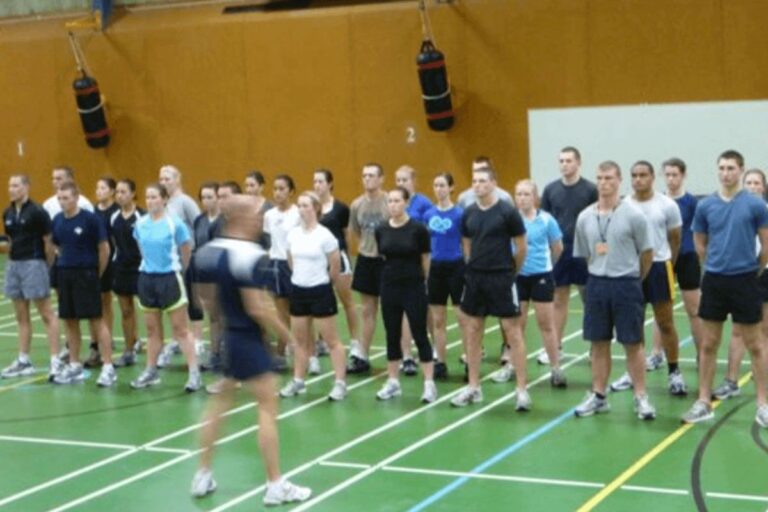
Next is a multi-stage fitness test, commonly known as the bleep test. It is not a one-off hurdle: you will do further bleep tests during your probationary period, so building a sustainable level of fitness matters more than peaking for a single date.
Assessment centre and competency interview
Pass the fitness stage and you are invited to an assessment centre for teamwork exercises. Success there leads to an interview, which is competency-based, with the competencies published on the Police Scotland website.
Competency interviews reward specific examples. A vague statement that you work well in a team scores poorly; a concrete account of a situation, what you did and what resulted scores well. Build a bank of examples from work, volunteering or community life before you sit down.
Medical examination and vetting
A medical examination forms part of the process, alongside thorough background checks. Vetting is a standard final stage and is not something you can revise for, but you can make it smoother by being accurate and complete in your declarations from the start.
How to prepare for each stage
Police Scotland names resilience as one of the major traits it looks for, because the role tests candidates mentally and physically. Preparation should reflect that, rather than focusing only on the written test.
For the PSET, work on all three areas, not just the one you find easiest. Language, numeracy and information-handling carry their own demands, and timed practice under realistic conditions is the single most useful thing you can do.
For fitness, start early enough that the bleep test is comfortable rather than borderline. Remember you will repeat it during probation.
For the assessment centre and interview, prepare evidence rather than scripts. Read the published competencies, then map your own experience against each one.
A degree is not needed. Studying relevant subjects can help your legal knowledge, and options include Policing and Criminology, Criminal Justice or Criminology at university, or an HNC or HND such as Police Studies at college. None of these is a formal entry requirement, so treat them as optional background rather than a necessary step.
Training, probation and specialist roles
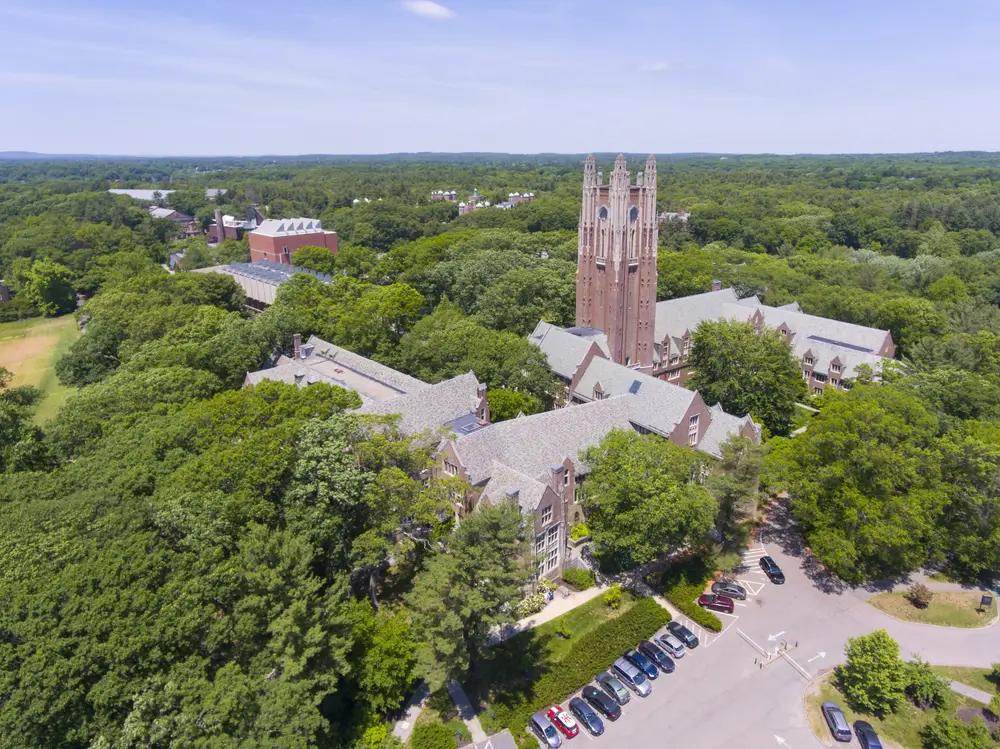
Initial training has been extended to 18 weeks. It breaks down as 1 week at a regional training centre, 15 weeks at either the Scottish Police College at Tulliallan or the Training and Recruitment Centre at East Kilbride, followed by a further 2 weeks at a regional training centre.
Tulliallan is both Police Scotland’s corporate headquarters and a key training venue, set in 90 acres of parkland in the centre of Scotland with the early 19th century Tulliallan Castle at its heart. It is the United Kingdom’s only central police college providing all police training in one establishment, and it has been Scotland’s central recruit training base for over 50 years, having opened for police training in 1954. Beyond recruit training, the college delivers leadership and management courses, detective, covert and crime prevention training, road policing and driver training, and crime and intelligence analysis and emerging technology training.
The probationary period lasts two years. Police Scotland describes it as primarily involving response policing, with full dedication expected to both training and operational duties. Recruitment and training are delivered to consistent national standards across Scotland, which is one of the practical effects of having a single national service.
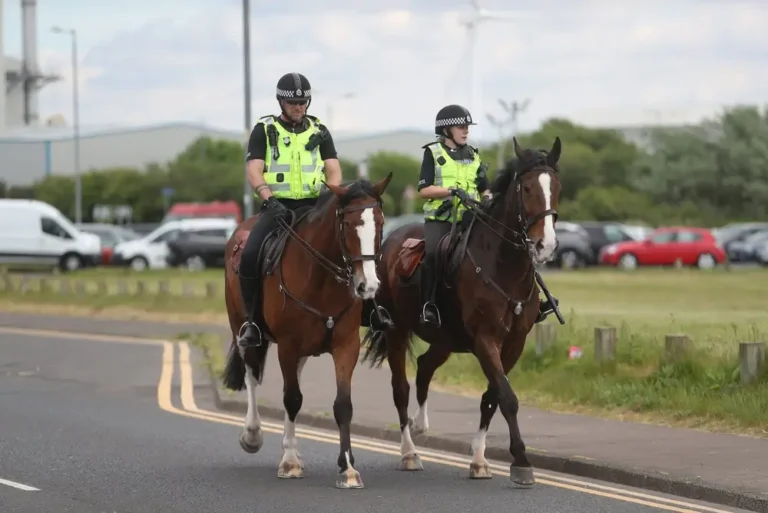
After probation, further learning and specialist applications open up. Options include public order, intelligence, armed policing, cybercrime and detective work. Longer-standing specialisms include the Criminal Investigation Department, proactive drugs teams, the dog branch, the mounted branch, support units, the sex offender policing unit, traffic, firearms and air support. Promotion to sergeant and then inspector is a separate track from specialisation, and the two are not the same decision.
Police Officer pay, pension and wellbeing
The official Police Officer vacancy advert published on MyJobScotland on 25 September 2026 lists a salary band of £31,466.00 – £50,528.00. Pay figures move, so check the live advert for the post you are applying to rather than relying on an aggregated estimate from a job board.
New officers are automatically entered into the contributory police pension scheme. The Police Scotland careers page states that it starts at age 60, and that officers can work beyond that age and retire later.
On leave, Police Scotland lists 28 days of annual leave for officers, plus adoption, maternity and paternity leave, shared parental leave for the first year after a child is born, special leave covering paid and unpaid time off for family emergencies, parental leave of up to 18 weeks for each child under 18, and career breaks allowing unpaid time off for up to five years.
Wellbeing provision includes Occupational Health, an Employee Assistance Programme with 24/7 in-the-moment support and access to free face-to-face or virtual counselling, eligibility to pay a small fee to access the Police Treatment Centres, membership of the Scottish Police Credit Union, access to Police Mutual financial products, eligibility to join the Scottish Police Recreation Association and use gyms across the police estate, and support and trauma risk management assessment after traumatic incidents.
Police Staff jobs: civilian careers inside Police Scotland
Police Staff are described by Police Scotland as vital to delivering high-quality services that help keep communities safe, within a service driven by shared values of integrity, fairness, respect and a commitment to upholding human rights.
Recruitment covers a wide variety of roles. IT management, service advisers, public and media communications and fleet maintenance are the examples Police Scotland gives, and the breadth reflects what a national service of this size needs to function.
The benefits package listed for Police Staff includes 28 days of annual leave and six public holidays, the Local Government Pension Scheme for long-term security, ongoing training to develop your skills, opportunities for career progression and professional growth, and comprehensive wellbeing support.
Vacancies are published on the Police Scotland careers site, where each post sets out its responsibilities, salary and application process. You can also register for job alerts to be notified when new vacancies appear, which is more reliable than checking manually.
Special Constables, transferees and Youth Volunteers
These three routes are distinct from both the regular officer application and Police Staff, and each has its own entry conditions.
Special Constables are volunteer officers with similar powers to regular constables. The publicly available careers material does not set out a complete specification of eligibility, training commitment, hours or payment for the role, so use the route-specific official advert when one is published rather than assuming the regular officer conditions apply unchanged.
The transferee route is for serving officers from other UK forces. When the official MyJobScotland pages were last checked, there were no active transferee vacancies and a talent bank was in place. A talent bank registration is not a vacancy, and it does not guarantee that one will open. If you are a serving officer elsewhere, check the official careers site for the current status rather than relying on third-party listings, which can be stale.
The Youth Volunteer programme is for people aged 13 to 17. It gives younger participants early exposure to policing environments. It is a youth volunteering and engagement programme, and it is not the regular Police Officer application in a junior form. Full details of activities and selection sit with Police Scotland’s own route information.
Where to check live vacancies
Police Scotland publishes its vacancies through the official MyJobScotland careers site, and the Scottish Police Authority advertises its own posts separately.
Avoid drawing conclusions about the current recruitment position from aggregator sites or general snapshots. Police Scotland’s careers pages identify the routes and the live vacancies; they do not publish a recruitment-shortage figure, and no official pass rate for the selection process is published either. If someone quotes you a competition ratio, ask where it came from.
The practical approach is simple. Decide which route fits you, confirm you clear every eligibility condition, register for alerts on the official site, and start preparing for the PSET before a vacancy opens rather than after.
Frequently Asked Questions
What are the different types of Police Scotland jobs?
Five routes matter: the regular Police Officer application, Police Staff, Special Constables, transferees from other UK forces, and Youth Volunteers aged 13 to 17. Availability differs by route, so check the official MyJobScotland careers site rather than assuming every route is currently open.
What qualifications do I need to become a Police Scotland officer?
None formally. The regular Police Officer route has no formal qualification requirement. You must still meet the eligibility conditions: 18 or over, at least three years of continuous UK residence immediately before applying, a manual driving licence, the fitness and national eyesight standards, and the right-to-work rules.
Can you join Police Scotland at 40, or is 30 too old?
Police Scotland’s published eligibility wording states that applicants must be 18 or over and does not set an upper age limit. At 30 or 40 you are judged on the same conditions as everyone else: physical fitness, eyesight, residence, right to work and the manual licence.
What are the responsibilities of a Police Scotland officer?
Upholding the law, protecting life and property, preventing crime and maintaining public order. In practice that means responding to calls, investigating crimes, searching for missing people, making arrests, processing people in custody, helping during emergencies and giving evidence in court.
How much do Police Scotland officers earn?
The official Police Officer vacancy advert published on MyJobScotland on 25 September 2026 lists £31,466 to £50,528. Pay information changes, so always check the current official advert rather than an undated or aggregated figure.
Is Police Scotland hard to get into?
The process has several stages: the PSET, the bleep test, the assessment centre, a competency-based interview, a medical examination and vetting. The PSET is 49 questions in 60 minutes. No official pass rate is published, so be sceptical of any percentage you see quoted.
Are Police Scotland recruiting just now?
Routes and vacancy availability change. Check the official MyJobScotland careers site for the current position. What is recorded is that transferee vacancies were absent and a talent bank was available when the official pages were last checked, and that should not be read as a statement about today.
Are police in Scotland struggling to recruit?
Police Scotland’s careers material identifies routes and vacancies but does not publish a recruitment-shortage statistic. Rather than assuming a shortage, use the official vacancy pages to see what is actually open.
Can officers from another UK force transfer to Police Scotland?
Yes, transferees from other UK police forces are a listed route. However, there were no transferee vacancies and a talent bank in place when the official careers pages were last checked, so confirm the current route status before planning a move.
What is a Special Constable, and what is a Police Scotland Youth Volunteer?
A Special Constable is a volunteer officer with similar powers to a regular constable. The Youth Volunteer programme is separate, aimed at 13 to 17 year olds, and intended to give early exposure to policing rather than to substitute for the regular Police Officer application.
Next step
If the regular officer route is your target, the PSET is the first real filter and the easiest stage to prepare for properly. Work out your pacing on language, numeracy and information-handling under timed conditions before you apply, not afterwards.
You can start with a free Police Scotland-specific practice paper here: https://www.jointhecops.co.uk/free-pset/
This site is independent preparation focused on Police Scotland and Scottish standards. It is not affiliated with Police Scotland, and all applications and vacancy information must go through the official careers channels.
Sources
Realistic mock exams in Language, Numeracy and Information Handling with complete explanations.
Police Officer in Scotland: The Police Constable Role Explained
Scotland Police Jobs: Officer and Police Staff Routes Explained