
If you’re thinking about becoming a police officer in Scotland, you need more than a generic UK job description. The rank structure, the entry route, the entrance test and the eligibility rules all have Scottish specifics, and the selection process rewards applicants who understand them early.
This guide explains what the job involves day to day, what the first two years look like, how the ranks work, and where the selection process will test you. It’s written for people preparing an application, not for casual readers.
The police constable role at a glance
A Police Scotland police officer exists to keep people safe across Scotland. The work is built around upholding law and order by detecting, preventing and investigating crime, which means responding to incidents as they happen and following up afterwards to help solve them.
Police Constable is the rank you join at. The career progression material published by joiningthepolice.co.uk identifies Police Constable / Detective Constable as the starting rank for police officers across UK forces, and the same applies in Scotland.
Scale matters too. Police Scotland is reported as the second largest police service in the UK, employing over 23,000 officers and staff. That size is why the range of specialist units available later in a career is so wide.
What a police officer actually does
Day to day, the job moves between urgent response and patient follow-up. A single shift can involve speaking to victims of crime and witnesses, searching for evidence, investigating what happened, making arrests and interviewing suspects. Weeks or months later, the same officer may be in court giving evidence about it.
Typical duties set out by targetjobs in its police officer job description include:
- interviewing suspected criminals
- taking statements
- writing crime reports and keeping them up to date
- gathering prosecution evidence
- giving evidence in court
- fostering good relationships with the public
- patrol
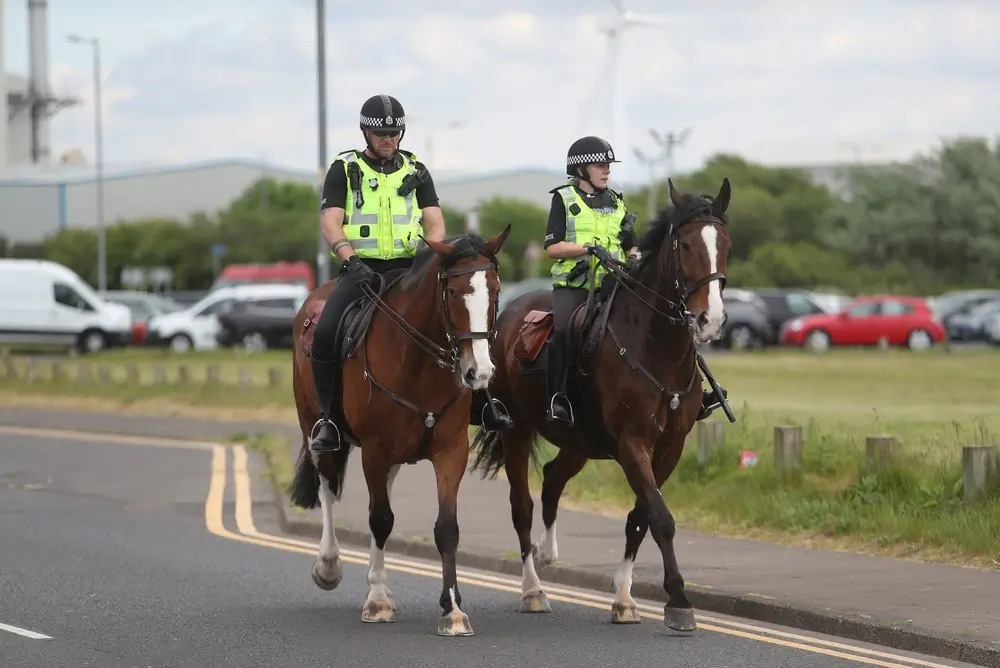
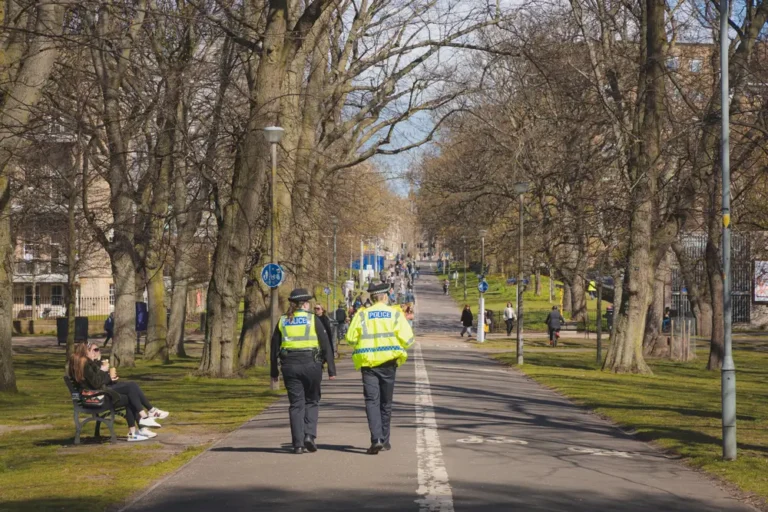
There’s a strong preventative side as well. Officers patrol areas and attend large events, and that visible presence is part of the job rather than filler between incidents. Shifts vary by force, and officers may need to work extra hours when an emergency demands it.
The paperwork deserves a mention, because applicants often underestimate it. Evidence that isn’t recorded properly is evidence that may not survive scrutiny in court. Accurate, timely reports are a core part of the constable’s work, not an administrative afterthought.
Response policing, probation and the first two years
The Police Scotland pathway described for new constables includes two years of response policing. That’s the practical foundation of the role: attending calls, dealing with whatever the shift brings, and building the judgement that specialist work later depends on.
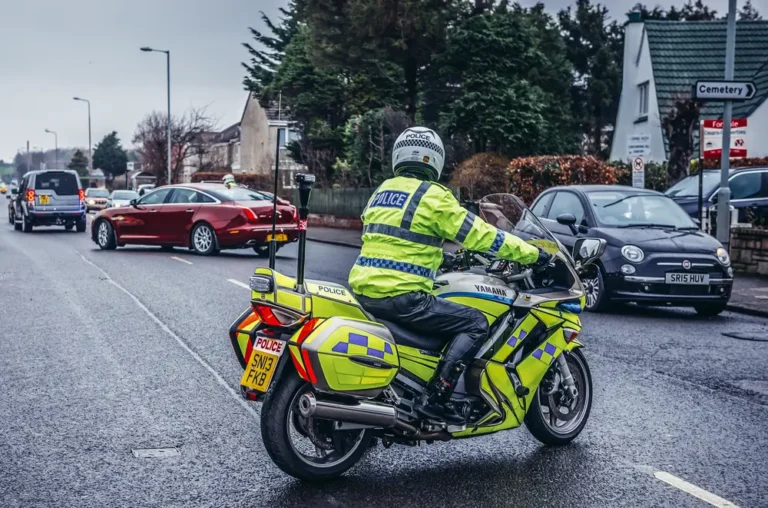
Response policing isn’t a side route. In the career framework set out by joiningthepolice.co.uk, response policing sits alongside neighbourhood policing and roads policing under the broader heading of community policing. Neighbourhood policing builds long-term relationships in a defined area, roads policing focuses on road safety and road crime, and response policing covers the immediate calls.
Treat these two years as a foundation rather than a guarantee of a particular posting. You learn how incidents unfold, how people behave under stress, and how the law applies in situations that never look like the textbook example.
Probation is the period that has to be completed successfully before you can move on. Once probation is done, the door opens to supervisory ranks and to specialist roles and units. Until then, the focus is on consolidating the basics under supervision, with ongoing training, support and guidance provided throughout.
What ‘constable’ means and where it sits in the ranks
In British usage, a constable is a police officer. Dictionary.com defines the term both as an officer of the peace with police and minor judicial functions, usually in a small town or rural district, and, chiefly in British usage, simply as a police officer. The older peace officer sense explains why the word survives in legal language.
In UK forces, constable is the lowest rank. That sounds unflattering, but it carries full police powers, and every senior officer in the service started there.
Detective constable is the investigative version of the same rank. It signals specialist training for complex investigations while the officer stays at the equivalent rank level. Moving from uniform to detective work is a change of specialism, not a promotion.
So is there a difference between a police officer and a police constable? Police officer is the general term for anyone holding the office. Police constable is the specific entry rank and title. In everyday use, “PC” is simply the abbreviation for police constable.
The ranks above constable
Once probation is complete, the path upwards is well defined. The career progression framework describes it as follows.
Sergeant is the first supervisory rank. Most sergeants are responsible for a team of constables, and the step from constable to sergeant is the first real change in responsibility. You stop being solely accountable for your own decisions and start being accountable for other people’s.
Inspector comes next. Uniformed inspectors typically oversee a shift of constables and sergeants, and they take charge of major incidents in their force area.
Chief inspector roles vary between forces, but a chief inspector often acts as the senior police officer in larger towns, overseeing large teams such as investigations or operations.
Above chief inspector, the ranks continue through superintendent and chief superintendent into the senior command group. In Scotland, that command structure runs up through assistant chief constable and deputy chief constable to the Chief Constable, who leads the service. Elsewhere in the UK the title head constable has historically been used for the senior officer of a force, but the modern Police Scotland term is Chief Constable.
Progression isn’t only vertical. As Sergeant Faith Morgan puts it in the joiningthepolice.co.uk career material:
skills and experience gained from a firearms role and supervisory duties are fully transferable to an Inspector position.
Specialist roles after probation
The range of specialisms is one of the strongest arguments for policing as a long career. After successfully completing probation, officers can apply to work in a wide variety of roles and specialist units.
Community policing covers neighbourhood policing, response policing and roads policing. If you want sustained contact with the same communities, neighbourhood policing is usually the clearest route.
Investigation runs from detectives and crime scene investigators to family liaison officers, forensics and domestic abuse investigators. This is the path most people have in mind when they think about becoming a detective constable.
Intelligence roles include surveillance analysts, covert operatives and communications data investigators. Operational support covers control centre and custody officers plus specialist roles such as dog handler, mounted police, police diver, firearms officer and football spotter.
You don’t need to pick now. But knowing these options exist helps at interview, because it shows you understand that constable work is the gateway to a career rather than the whole of it.
Skills and demands of the role
The skills that matter are consistent across almost every policing task. Targetjobs lists them as assertiveness, the ability to think on your feet, the ability to remain calm in challenging or dangerous situations, excellent interpersonal and communication skills including the ability to listen, confidence working with people from all backgrounds, teamworking, problem solving and negotiation.
Read that list again with the selection process in mind. Those are the same behaviours a competency-based interview is designed to probe, so collect real examples from your own life now rather than inventing them under pressure later.
Be clear-eyed about the demands. Policing is physically, mentally and emotionally demanding, and the joiningthepolice.co.uk career material says so directly. You’ll deal with people on the worst day of their lives, work shifts, and make decisions quickly with incomplete information.
The counterweight is support. Officers receive ongoing training, support and guidance throughout their career so they’re equipped to do the job safely and confidently.
Police Scotland eligibility: the short checklist
Two Scotland-specific conditions catch applicants out more than any others.
The first is residency. The brief for Police Scotland applicants sets out three years of continuous residence in the UK before applying. Targetjobs notes more generally that non-academic entry requirements vary from one force to another, so confirm the exact current wording with Police Scotland before you apply.
The second is the driving licence. A manual driving licence is part of the Police Scotland eligibility picture, and it’s the requirement most likely to delay an otherwise strong application. If you don’t hold one, start that process early.
On qualifications, don’t assume a degree is compulsory. Targetjobs states that it’s possible to become a police officer both with and without a degree. Routes such as the degree holder entry programme exist in some parts of the UK, but the degree holder entry programme and other College of Policing entry frameworks are designed for England and Wales. Scotland has its own arrangements, so check Police Scotland guidance rather than College of Policing material when you’re assessing your eligibility.
One more point worth stating plainly: all police officers must adhere to high professional standards, which is why the recruitment process includes rigorous eligibility checks. Honesty about your history is always the better approach, because vetting will find what you don’t declare.
The six-stage selection process and the PSET
Police Scotland recruitment is structured in six stages:
- Application and eligibility checks
- Entrance testing (the PSET)
- Fitness assessment
- Assessment day
- Competency-based interview
- Vetting
The PSET, the Police Scotland Entrance Test, is the first hurdle where applicants genuinely fall away. The format used for Police Scotland is 49 questions in 60 minutes. That timing is tighter than most candidates expect, and running out of time is more common than getting questions wrong.
Preparation for the PSET should be Scotland-specific. Scottish law and Scottish national standards differ from England and Wales material, and practising on generic UK-wide question banks can leave gaps exactly where the test is most demanding.
Is it hard to become a police constable? The process is genuinely demanding, with rigorous eligibility checks at the front and a physically, mentally and emotionally demanding role at the end. There’s no published pass rate worth quoting here, so judge the difficulty by the requirements and the number of stages rather than by a percentage.
Starting salary
Targetjobs, in its police officer job description, states that a police constable in Scotland starts with a salary of £34,001.
Treat that figure with care. The page carrying it was published on 22 June 2012 and the figure isn’t corroborated by any other source available here, so it should not be read as the current rate. Before you plan around any salary number, check the current pay scales published by Police Scotland, the Scottish Police Authority, the Police Negotiating Board for Scotland, or a dated FOI release.
The same caution applies to pensions. Questions like “how much is a police pension after 30 years?” come up constantly, and the honest answer is that pension outcomes depend on the scheme you join, your pensionable pay and your service, so use current official scheme documentation rather than a headline figure.
Frequently Asked Questions
What do you do as a Police Scotland police officer?
A Police Scotland constable upholds law and order by detecting, preventing and investigating crime. In practice that means responding to incidents, speaking to victims and witnesses, gathering evidence, making arrests, interviewing suspects, patrolling, and giving evidence in court.
Can you join Police Scotland at 40?
No maximum joining age is confirmed here, so don’t rely on second-hand claims. Check the current eligibility guidance published by Police Scotland before assuming you’re too old or too young to apply.
What does “constable” mean in English?
In British usage, constable means a police officer, and it’s the title of the lowest police rank. In Scotland the relevant role is Police Constable, with Detective Constable used for the investigative pathway.
What does “PC police” mean?
PC stands for police constable. The career progression material from joiningthepolice.co.uk identifies Police Constable / Detective Constable as the starting rank for police officers.
Is constable the lowest rank, and is a police constable the lowest rank?
Yes. In UK terminology, constable is the lowest police rank. For Police Scotland, Police Constable / Detective Constable is the entry rank, with sergeant as the first supervisory rank after probation.
Is there a difference between a police officer and a police constable?
Police officer is the broad term; police constable is the specific entry rank and title. Detective constable indicates specialist investigation training while the officer remains at the equivalent rank.
Is it hard to become a police constable?
It’s demanding. Recruitment involves rigorous eligibility checks across six stages, and the role itself is physically, mentally and emotionally demanding. No reliable pass rate is available, so judge the challenge by the requirements rather than a statistic.
Do police constables get paid?
Yes. Targetjobs gives £34,001 as the starting salary for a police constable in Scotland, but that page was published on 22 June 2012 and the figure is uncorroborated. Check current Police Scotland, SPA, PNBS or FOI data for the live rate.
What are the six stages of the Police Scotland selection process?
Application and eligibility, entrance testing, fitness assessment, assessment day, competency-based interview, and vetting. The PSET format used here is 49 questions in 60 minutes; confirm the current stage wording against Police Scotland recruitment guidance.
What are the key Police Scotland eligibility requirements?
Three years of continuous UK residence before applying and a manual driving licence are the two Scotland-specific conditions to check first. Residency requirements vary between forces, so verify the current Police Scotland wording before you submit.
Your next step
The role is clear enough: two years of response policing as a constable, then a genuinely wide choice of specialisms and a defined path through sergeant, inspector and chief inspector. What stands between you and that is a six-stage process, and the PSET is the first stage where preparation makes a measurable difference.
Start with a realistic practice paper under timed conditions and see where 49 questions in 60 minutes actually leaves you. You can sit a free PSET practice paper here: https://www.jointhecops.co.uk/free-pset/
Then confirm every requirement and figure against current Police Scotland guidance before you apply.
Sources
Realistic mock exams in Language, Numeracy and Information Handling with complete explanations.
Scotland Police Jobs: Officer and Police Staff Routes Explained
Police Scotland Jobs: Routes, Pay and How to Apply in 2026