
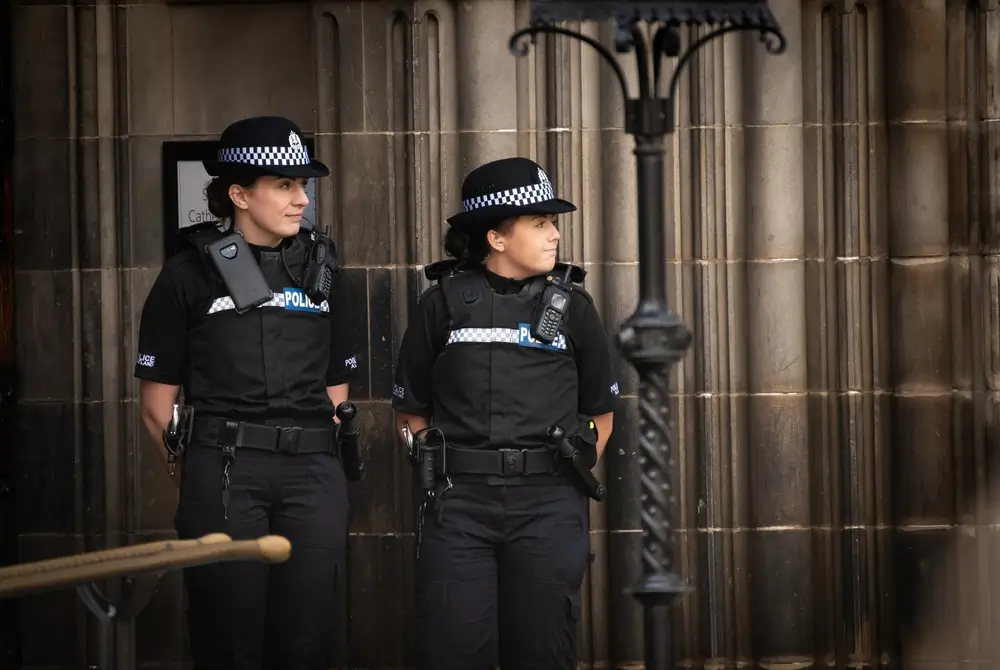
Applying to Police Scotland is a structured process with published rules at every stage. Some of those rules are absolute, others are judged case by case, and the difference matters before you fill in a single box on the form. This guide walks you through the eligibility criteria, the online application, the Police Scotland Entrance Test (PSET), the fitness assessment, the assessment centre and interview, then vetting and training. For the full stage-by-stage timeline, see our guide on how to become a police officer in Scotland.
Everything below reflects what Police Scotland, the Scottish Police Authority and official Scottish government job listings publish about the officer route. Where a rule applies only to Special Constables or transferees, it is flagged.
Can you apply to Police Scotland?

You can apply if you are 18 or over, according to Police Scotland’s published officer recruitment page. No upper age limit is stated, so being over 30, 37 or 40 is not an age-based exclusion in itself. What you still have to clear are the residence, right to work, driving licence, medical, eyesight, fitness and vetting requirements, and those apply equally at every age.
No formal qualifications are needed. Police Scotland does not publish a degree entry route for the police constable role, and there is no stated minimum educational standard. That answers the GCSE question directly: the selection process assesses what you can evidence, not what certificates you hold.
Police Scotland is explicit about what it does look for. The job tests you mentally and physically, and resilience is named as one of the main traits sought in every candidate. Officers support people through very difficult moments, so listening, teamwork and staying calm under pressure carry real weight. Skills picked up at work, in your community, or through family life all count as evidence.
That gives you the basic eligibility picture: age 18 or over, physically fit, three years of UK residence, right to work, a manual driving licence, and the national eyesight standard met.
Residence, right to work and the manual licence
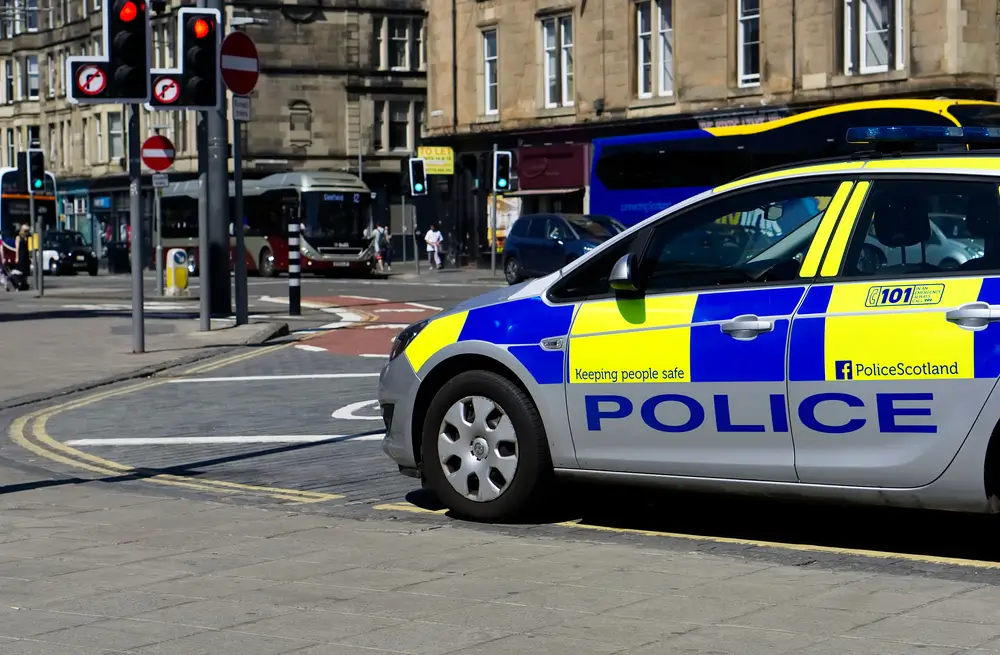
You must have lived in the UK for at least three years before applying, according to Police Scotland’s published eligibility list. A shorter period does not satisfy the criterion. If your residence history is complex, check it against the current Police Scotland application guidance before you submit.
Right to work is governed by the Police Service of Scotland Regulations 2013. Applicants who are not UK or EEA nationals must hold indefinite leave to remain or an equivalent status at the point of application. Police Scotland states this plainly: a time-limited visa does not meet the legal requirement, even if it currently gives you a right to work in the UK. This is one of the most common reasons an otherwise strong applicant is screened out early.
For the police officer role, Police Scotland’s eligibility list states that you can apply if you hold a manual driving licence, and that you need to meet DVLA’s group 2 medical driving licence standards so you can drive police vehicles in different conditions. An automatic-only licence does not meet the published requirement.
Declarations, tattoos and automatic rejection grounds
Police Scotland asks you to declare criminal convictions, cautions and tattoos, with photographs of tattoos where the guidance requires them. Each case is considered on its own merits, and the checks are confirmed by the vetting unit at the pre-appointment stage. Declaring something does not automatically end your application. Failing to declare it, and having it surface at vetting, is far more damaging.
Separate from case-by-case assessment, there are published grounds that result in automatic rejection:
- More than 6 penalty points on your driving licence
- Entering into a Trust Deed within the last 12 months
- Sequestration or bankruptcy within the last 3 years
- Defaulted accounts totalling £1,000 or more
- Certain listed offences
The financial rules deserve a second read. A Trust Deed is a formal Scottish debt arrangement, and sequestration is the Scottish equivalent of bankruptcy. The clocks run differently for each: 12 months for a Trust Deed, three years for sequestration or bankruptcy. If you are near either boundary, the date matters more than the circumstances.
Driving points work the same way. Six points or fewer is not an automatic block; more than six is. If you are carrying points that will expire soon, that timing may decide whether you apply now or in a few months.
Check your position before you apply
Before you start the form, gather the facts that drive the published rules: your age, how many years you have lived in the UK, your immigration status, your driving licence type, your current penalty points, and the dates of any Trust Deed, sequestration or bankruptcy, plus details of any defaulted debt.
Mapping those against the criteria gives one of three honest outcomes. Either you meet the published criteria, or you are blocked by a specific published rule, or your situation needs a declaration and a case-by-case assessment. Knowing which of the three applies to you saves weeks. Any self-check of this kind is for information only and does not replace the formal Police Scotland application process.
Submit the online application and prepare for the PSET
The application starts on the Police Scotland job portal. You create an account, register, and complete the application form. From there the process moves at your own pace: you manage your account online, Police Scotland contacts you at each step, and you can check your status by logging in. If you fail the pre-screening, you can reapply once you meet the criteria.
Treat the form as a selection stage, not an admin task. Your answers should match the assessable competencies and values relevant to the role, which means writing about real situations and what you actually did, rather than describing the job in general terms.
What the PSET assesses
The Police Scotland Entrance Test (PSET) comes after the application form. It evaluates three areas:
- Language: reading comprehension passages where you decide whether each statement is True, False or Not possible to say from the text
- Numbers: short written numerical calculations covering percentages, ratios, speed, distance and time, unit conversions and weekly totals
- Information handling: interpreting tables of offences and outcomes to find totals, differences, percentages and extremes
Police Scotland’s recruitment process page publishes official mock questions and answers for all three elements, without stating a fixed question count, time limit, pass mark or calculator policy. Practising all three sections with PSET practice papers, rather than just the one you find easiest, is the most useful preparation between submitting your form and sitting the test.
Complete the fitness test and assessment day

The fitness assessment sits before the assessment centre in the published sequence. Police Scotland expects you to be physically fit and to have prepared in advance; the test also checks you are ready for Officer Safety Training, where you learn to protect yourself and others.
The assessment is a multi-stage shuttle run, commonly called the bleep test. You run up and down a 15-metre track, timed against a series of audio beeps, and you must complete each length before the next beep sounds. The gap between beeps shortens at the end of every level, so you have to run faster as you go. The standard you need is level 5.4, which means keeping in time with the bleeps for four lengths at level 5.
There is no mystery to preparing for this. The bleep test rewards consistent running in the weeks beforehand, plus practice at turning sharply at the line, which is where many candidates lose ground. Rehearsing on a measured 15-metre track removes any surprise on the day.
The assessment day that follows includes an icebreaker exercise, a group exercise and a formal interview. The icebreaker is your chance to settle; the group exercise shows how you work with others under observation; the interview is where you present structured evidence.
Build CVF evidence for the assessment and interview
Police Scotland uses a Competency and Values Framework (CVF) as the benchmark for suitability. It is a practical set of measures reflecting the values of the organisation, not a disciplinary code and not an aspirational wish list. The values are Integrity, Fairness, Respect and Human Rights.
Learn the CVF before you start writing. You need to recognise, on the application form and in the interview, when a question is asking you to demonstrate a particular competency or value, and then answer accordingly. Motivational and competency questions both draw on it.
The interview is competency-based. Prepare examples from paid work, voluntary work, community involvement and personal experience, and make each one specific: what the situation was, what you did, and what the outcome was. A candidate who has handled a difficult customer, defused a disagreement or stayed organised in a crisis has usable material, whatever sector they come from.
Finish medical, references and vetting
The final stages bring together a medical assessment, substance misuse testing, references and formal vetting.
You must meet the DVLA Group 2 medical standard and the national eyesight standard. Medical and eyesight checks take place at the final stage alongside substance misuse testing, references and vetting.
Vetting confirms the information you supplied earlier in the process. Police Scotland is direct about this: it is important to be accurate with everything you declare, because all of it is checked at the vetting stage. Vetting checks are carried out once you have successfully completed the application process, and an employment offer follows successful completion of the required selection and vetting stages.
Understand initial training and the two-year probation

Police Scotland’s officer recruitment page states that the overall initial training period has been extended to 18 weeks. That programme is broken down into one week at a regional training centre, 15 weeks at the Scottish Police College or a Training and Recruitment Centre, and a further two weeks at a regional training centre.
After that comes a probation period of two years, served mainly in response policing. Probationer training is delivered in modular format across the two years, through Police Scotland Training and Recruitment Centres, the Scottish Police College at Tulliallan and your assigned Division. The recruitment information describes it as very intensive, with individual progress carefully monitored and any gaps in knowledge or performance identified as you gain experience.
The College itself is described as a unique and highly disciplined environment that tests you academically and physically. You represent Police Scotland throughout and are expected to conduct yourself professionally at all times.
Fitness does not stop at selection. Police Scotland’s FOI disclosure on probationer training sets out two fitness tests during Module 1 and a further three fitness tests at later stages of the programme. The same disclosure confirms that the Module 1 multiple-choice Final Course Examination may be resat a maximum of two times, and that the SCQF level 7 Certificate in Policing carries 170 credits. The Skills Development Scotland framework for the 2018 Modern Apprenticeship in Policing set Module 1 at 12 weeks, a historic figure distinct from the current 18-week programme; apprenticeships.scot states the apprenticeship framework is expected to take around two years.
Know the role, pay and working pattern
Police Scotland’s police officer careers page lists a starting salary of £34,001, with yearly pay increments over 11 years rising to £54,597.
The same listing sets out the wider package: a dynamic work environment, being part of a close team, job stability, high quality training, progression opportunities and wellbeing support. For police staff roles, Police Scotland lists 28 days of annual leave plus 6 public holidays.
As an officer you uphold the law, protect life and property, prevent crime and maintain public order. You respond to emergencies, help vulnerable people, work with community groups and schools, make arrests where necessary and attend court to give evidence about what you saw on duty. Specialisms across the service include child protection, cybercrime and armed policing.
The scale of the organisation shapes the job. Police Scotland covers 28,168 square miles, according to its official MyJobScotland profile, and receives over three million contacts annually, including over four thousand 101 non-emergency calls daily and two thousand 999 emergency calls daily, handled through three Area Control Rooms in the North, East and West.
Recruitment runs in scheduled intakes rather than continuously. For 2025, the official intake table lists 124 probationers in the first intake and 137 probationers in the fifth of six. The Scottish Police Authority’s June 2024 report on police officer recruitment and initial training set out the intake plan for 2024/25:
| Date | Intake |
|---|---|
| 25/03/2024 | 193 (SPC) – Completed 14/06/24 |
| 13/05/2024 | 119 (SPC) |
| 15/07/2024 | 207 (SPC) |
| 15/07/2024 | 55 (Non residential) |
| 02/09/2024 | 125 (SPC) |
| 04/11/2024 | 207 (SPC) |
| 04/11/2024 | 55 (non residential) |
| 13/01/2025 | 125 (SPC) |
| 10/03/2025 | 207 (SPC) |
| 10/03/2025 | 55 (non residential) |
| Total | 1348 officers |
Choose the correct Police Scotland entry route
Police Scotland publishes separate pathways, and the criteria are not interchangeable. Use the page for the route you are actually pursuing.
The direct police officer route is the standard full-time path described above, including the manual driving licence requirement before appointment.
The Special Constable route is for trained volunteer officers who work alongside full-time colleagues. A Special Constable holds the same powers and responsibilities as a regular officer, patrols neighbourhoods, helps prevent crime, polices major events and builds relationships locally, with a minimum commitment of 96 hours a year. Police Scotland designs the role to fit around work, family life and studies, which makes it a realistic option if you cannot move to full-time policing yet. Serving as a Special Constable also gives you first-hand operational experience, which is useful evidence if you later apply as a full-time officer.
The transferee route is for serving officers from other forces. The application form is based on the CVF, and you are expected to evidence your values and competencies from your policing career; applications are sifted to the same standards as any other. If successful, Police Scotland carries out background checks including reference checks with your current force, plus checks with your local Professional Standards Department and Vetting. You then attend a competency-based interview built on the CVF, alongside a fitness assessment and the final-stage process.
Frequently Asked Questions
How do I apply to become a Police Scotland officer?
Create an account on the Police Scotland job portal and complete the online application form. The published process then takes you through the PSET, the fitness assessment, the assessment day and interview, medical checks and vetting. Follow the current instructions in your applicant account, since the pace and sequence are managed individually.
Can I join Police Scotland at 30, 37, 40 or 60?
Police Scotland’s published eligibility information states that applicants must be 18 or over and gives no upper age limit, so being over 30 is not an age-based exclusion. You still have to meet the residence, right to work, manual licence, medical, eyesight, fitness and vetting requirements like every other applicant.
What requirements do you need to apply to Police Scotland?
You must be 18 or over, be physically fit, have lived in the UK for at least three years, meet the right to work rules and hold a manual driving licence. You must also meet the DVLA Group 2 medical and national eyesight standards, and pass each selection stage and vetting.
Do I need qualifications or a degree to become a Police Scotland officer?
No formal qualifications are required, and Police Scotland does not publish a degree entry route for this role. Selection focuses on the skills, values and experience you can evidence rather than a specified academic credential.
Do I need three years of UK residence before I apply?
Yes. Police Scotland’s published eligibility criteria state that you can apply if you have lived in the UK for at least three years. If your residence history is complicated, check it against the current Police Scotland application guidance before applying.
What immigration status do I need to apply to Police Scotland?
Under the Police Service of Scotland Regulations 2013, applicants who are not UK or EEA nationals need indefinite leave to remain or an equivalent status at the point of application. A time-limited visa does not satisfy that requirement, even if it currently gives you a right to work.
What can automatically disqualify you from applying to Police Scotland?
The published automatic rejection grounds include more than 6 penalty points, a Trust Deed within the last 12 months, sequestration or bankruptcy within the last 3 years, defaulted accounts totalling £1,000 or more, and certain listed offences. Other declarations are assessed individually.
Do Police Scotland allow tattoos, and can I apply with convictions or cautions?
You must declare convictions, cautions and tattoos, providing photographs of tattoos where the guidance requires them. Tattoos and relevant history are assessed case by case at the pre-appointment stage, though listed offences and the automatic rejection grounds remain a separate matter.
What is the Police Scotland Entrance Test (PSET)?
The PSET evaluates your understanding of language, information handling and numeracy skills after your application form and pre-screening checks are passed. Police Scotland publishes an official mock paper covering all three elements, without stating a fixed question count, duration or pass mark on its recruitment process page.
What is the published starting salary for a Police Scotland officer?
Police Scotland’s police officer recruitment page states a starting salary of £34,001, rising with yearly pay increments over 11 years up to £54,597.
Your next step
Work through the eligibility rules first, because they decide whether you apply this month or wait. Check your residence history, your immigration status, your licence type and points, and the dates on any Trust Deed, sequestration or bankruptcy. If a published rule blocks you today, note the date it stops applying and plan around it.
If you clear those, the PSET is the next hurdle you can actually control. Sit a timed paper covering language, numbers and information handling so you know where you stand before the real thing: take the free PSET practice paper at https://www.jointhecops.co.uk/free-pset/. This platform is independent and not affiliated with Police Scotland.
Sources
A free practice paper in language, numeracy and information handling, with worked answers.
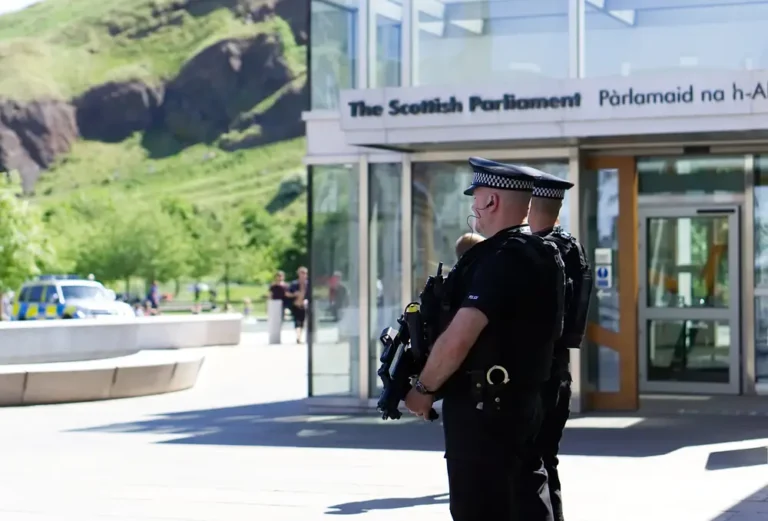
Police Scotland Intake Dates 2026: Months, Numbers and Timing

Police Scotland Language Test: PSET Reading & Verbal Guide